Gemini's GPU Meltdown

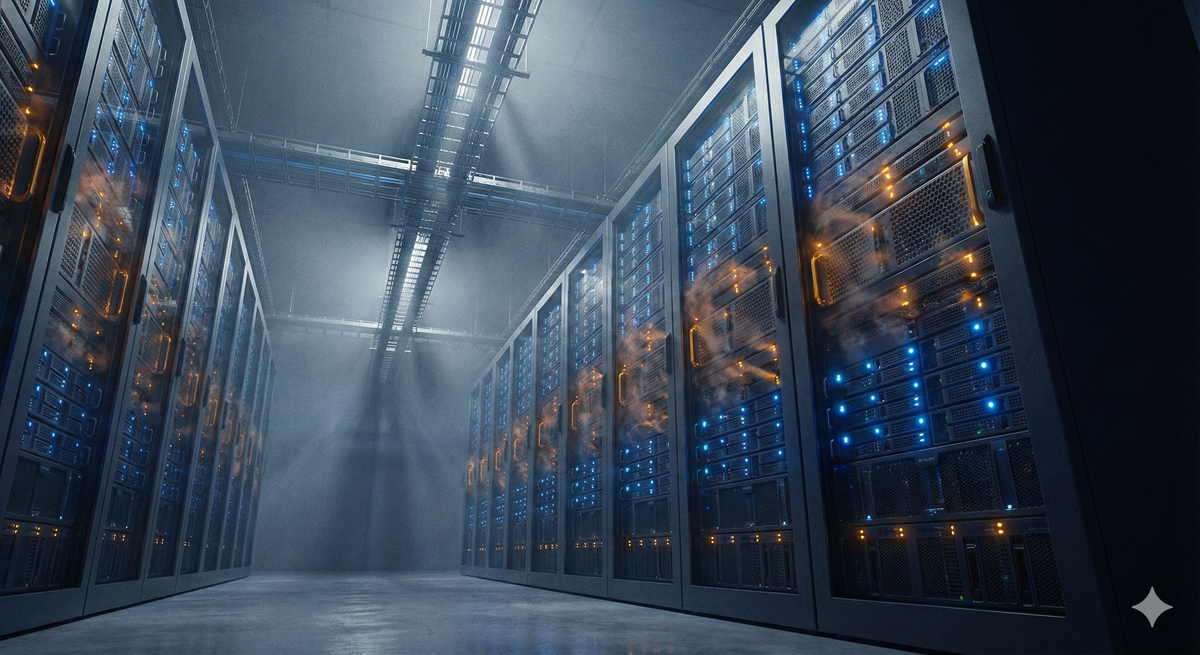
Over one million users crashed Google's servers in 24 hours. Nvidia is publicly congratulating a competitor. And the CEO of Salesforce just announced he's abandoning ChatGPT.
Forget the model wars. The real AI arms race is about who can build the infrastructure to run them.
Images generated by Nano Banana Pro 🍌
Neural Notes — AI that amplifies your value, not replaces it.
📰 The Rundown
Google's GPU Meltdown Reveals AI's Real Bottleneck
➡️ The Move: Google launched Gemini 3 on November 18 to unprecedented demand. Over one million users hit the platform in the first 24 hours. Within days, Google quietly slashed free tier limits from 5 daily prompts to "basic access" with fluctuating caps. NotebookLM rolled back its new Infographics and Slide Decks features entirely. Even paying subscribers are seeing new restrictions on some tools. Google's official explanation: "Our GPUs are melting." Read more
⚡ Why this matters: This isn't Google being stingy. It's evidence that compute capacity, not model intelligence, is the actual constraint in AI right now. The same week, Nvidia felt compelled to publicly congratulate Google on Gemini 3's success while reminding everyone that "NVIDIA offers greater performance." OpenAI's Sam Altman posted congratulations too. When competitors feel the need to publicly acknowledge you, something has shifted. Meanwhile, Meta is reportedly in talks to buy Google's Tensor chips, and Anthropic announced plans to significantly expand its use of Google's technology. The pattern is clear: everyone is scrambling for compute, and whoever solves the infrastructure challenge wins.
🎯 Your takeaway: While everyone debates which AI model is "best," the smarter question is who can actually deliver it at scale. The bubble isn't in AI stocks. It's in assuming the infrastructure exists to run these models for billions of users.
Google's Bigger Play: Gemini 3 Agents That Actually Do Things
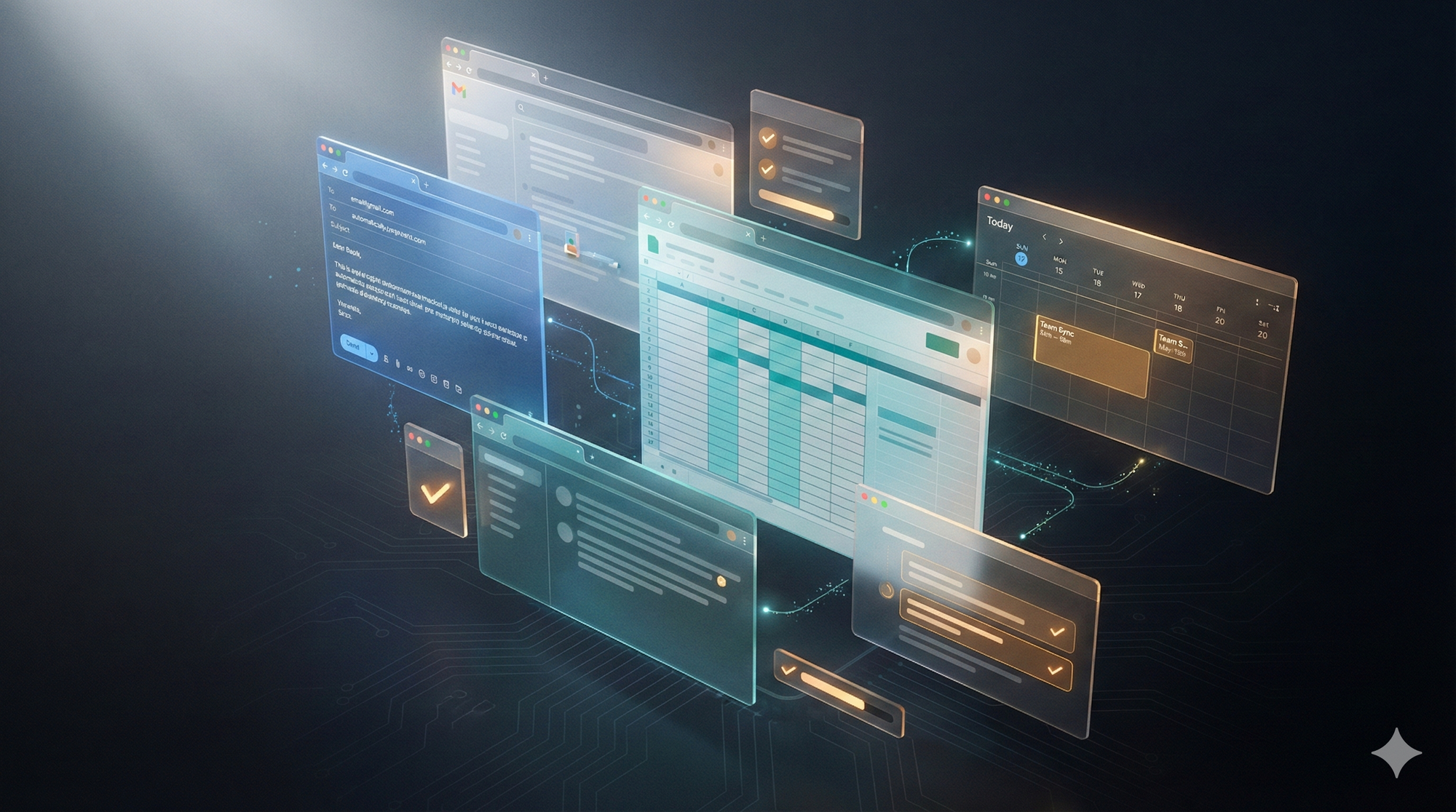
➡️ The Move: The November Gemini Drop introduced Gemini 3 with something beyond better answers: autonomous agents. The experimental Gemini Agent can manage calendars, book car rentals, and handle administrative tasks without constant oversight. Nano Banana Pro brings intelligent image blending, poster design, and cross platform resizing. Veo 3.1 enables video generation from multiple reference images with precise control over characters and style. Free AI Pro access is now available to U.S. college students. Read more
⚡ Why this matters: The shift from "AI that answers questions" to "AI that executes tasks" is the most significant change in how these tools actually work for you. While OpenAI focused on reasoning models and Microsoft pushed Copilot integration, Google bet on agent architecture with one massive advantage: integration across Gmail, Calendar, Drive, and every other Google service you already use. Salesforce CEO Marc Benioff publicly announced he's switching from ChatGPT after three years, calling Gemini 3's leap "insane." Industry analysts have long predicted AI assistants would evolve from answering to acting. Google appears to be the first major player shipping this vision at scale.
🎯 Your takeaway: Stop evaluating AI by how well it writes. Start evaluating it by how much time it saves you on tasks you shouldn't be doing yourself.
The Chip Wars Beneath the Model Wars
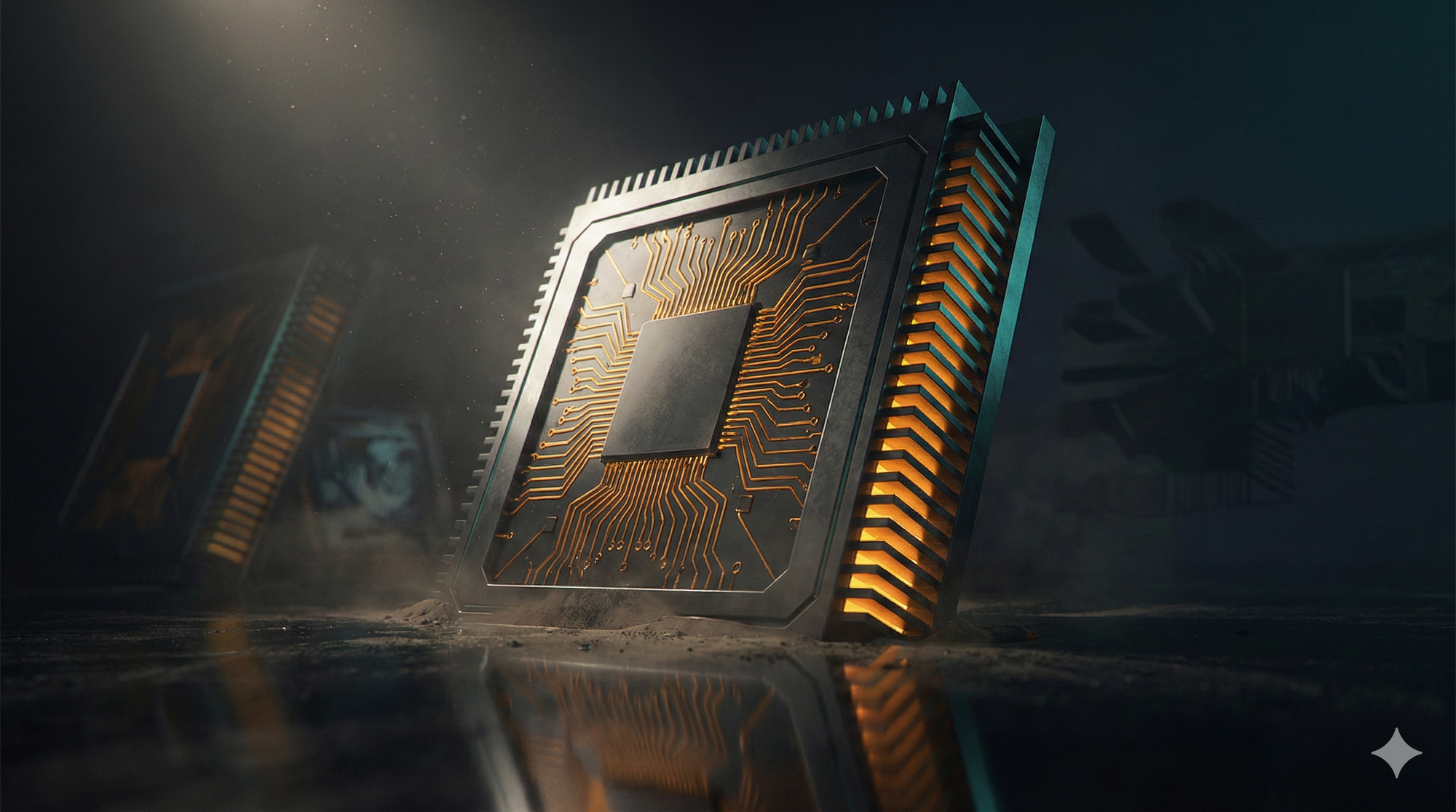
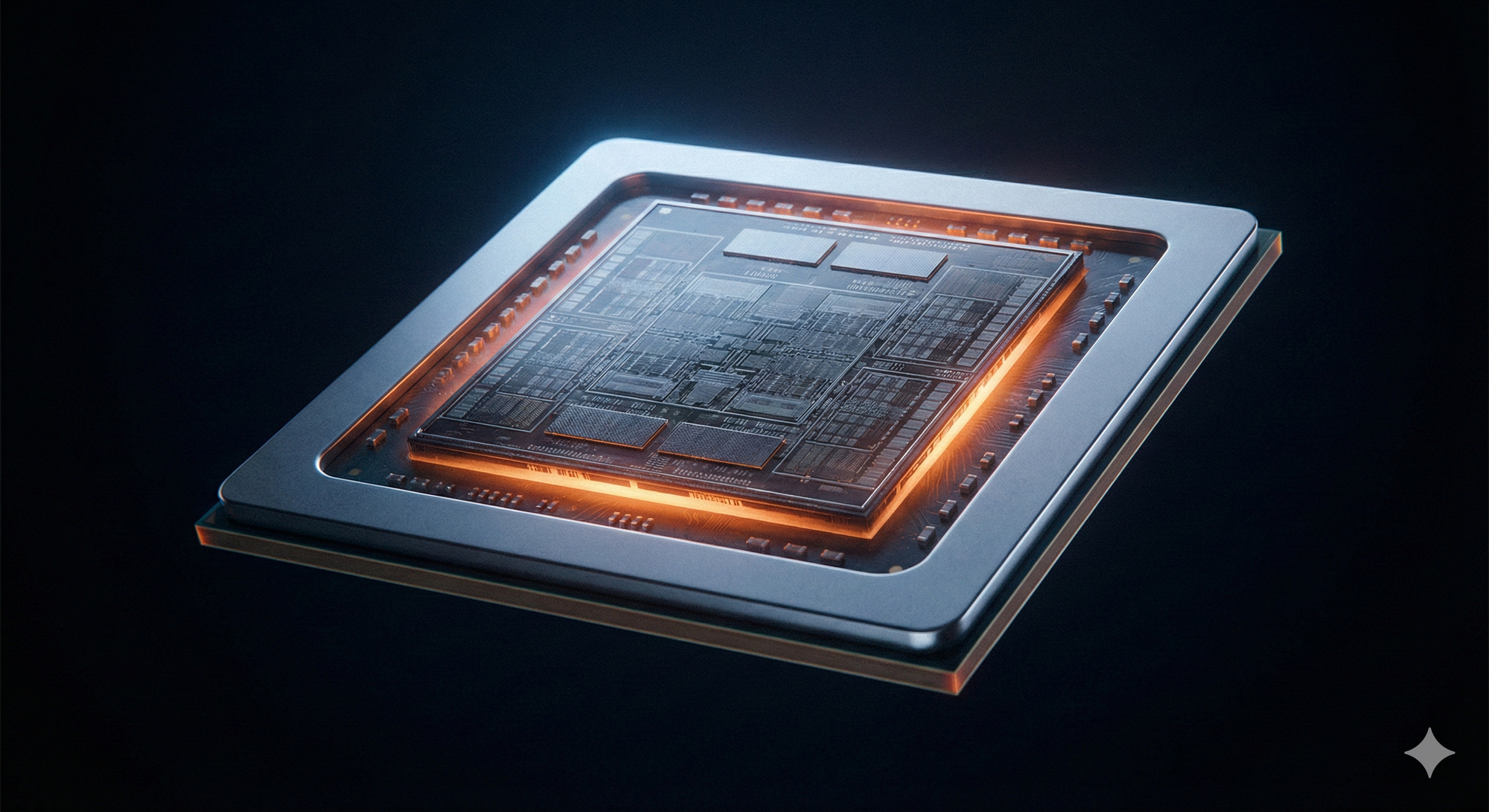
➡️ The Move: While headlines focus on AI model benchmarks, a quieter battle is reshaping the industry. Google's TPU chips now power not just its own products but are attracting competitors: Meta is in talks to purchase them, and Anthropic announced a significant expansion of its Google Cloud TPU usage. Nvidia's stock dropped 2% last week while Google rose 8%. Google's chips are fundamentally different, built as application specific integrated circuits (ASICs) rather than Nvidia's more versatile GPUs. But with AI model training consuming unprecedented compute resources, companies are exploring every option to secure capacity. Read more
⚡ Why this matters: Nvidia dominates AI chips with 62% year over year sales growth. But dominance breeds dependence, and companies hate dependence. The move toward Google's chips isn't about replacing Nvidia; it's about not being entirely reliant on a single supplier. As one analyst put it, "If you look at the magnitude of Nvidia's offerings, nobody really can touch them." But "nobody can touch them" is exactly why companies are diversifying. For everyone watching AI stocks, this matters more than which model tops the benchmark leaderboards this week.
🎯 Your takeaway: The AI arms race isn't about models. It's about infrastructure. The companies that control compute will shape who gets access and at what price.
🔧 Tool Spotlight: Reclaim.ai
Your calendar is a battlefield. Reclaim.ai fights for your side.
What it does: Reclaim connects to Google Calendar or Outlook and automatically protects time for what matters. Set a goal for 2 hours of focus time daily, and Reclaim blocks it intelligently, moving it when real conflicts arise rather than letting it get steamrolled by meeting requests.
Why it's different: Most calendar tools help you schedule meetings. Reclaim helps you defend time against them. It learns your patterns, auto schedules habits like lunch and exercise, and shows your availability as "busy" to external scheduling tools while keeping flexibility for internal planning. Teams use it to protect company wide no meeting blocks without manual enforcement.
The use case: You tell your calendar you need 2 hours of uninterrupted work every morning. Someone sends a meeting invite for 10 AM. Reclaim automatically moves your focus block to the afternoon and accepts the meeting, then moves it back tomorrow when you're free. You never touch it.
Pricing: Free tier available. Paid plans start at $8/month.
👉 Try This Today: The "Weekly Energy Audit"
Time required: 10 minutes
The most valuable AI use isn't generating content. It's generating clarity about where your time actually goes.
The technique:
- Open your calendar for the past week
- Screenshot or export it (most calendars have an export option)
- Share with your AI tool of choice and prompt: "Analyze this calendar. What patterns do you see? Where am I spending time on work that doesn't match my stated priorities? What one change would give me back the most hours?"
Why this works: AI excels at pattern recognition across data you're too close to see clearly. Your calendar is a record of your actual priorities, not your stated ones. Let AI find the gap.
The insight: Most people discover they're attending meetings they don't need to be in, defending time for work that could be delegated, or spending prime morning hours on low value tasks. AI won't fix your calendar. But it will show you exactly where it's broken.
✨ The Wire
OpenAI limits Sora to 6 video generations daily for free users, citing "melting GPUs" in language that echoes Google's capacity struggles. The infrastructure crunch is industry wide. TechRadar
AI detects dementia from brain waves with new systems from Örebro University that analyze EEG data to distinguish healthy individuals from those with Alzheimer's or frontotemporal dementia. ScienceDaily
Adobe launches Project Graph, a node based visual editor connecting Photoshop, AI models, and creative effects through an intuitive graphical interface for streamlined creative workflows. Medium
DeepSeek open sources Math V2, a Chinese model that won gold at IMO 2025 and scored 118/120 on Putnam 2024. Total training cost: $294K, roughly 1000x cheaper than Western competitors. NinjaAI
📚 Go Deeper
The productivity tools shaping 2025: This deep dive covers eight AI tools across three categories: accelerators (ChatGPT, Tome, Superhuman), organizers (Otter, Reclaim), and what the author calls "philosophers" (tools for reflection and wisdom). Worth reading for the framework alone. Life Note Blog
Why Google's chip ambitions matter: CNN breaks down how Google's custom TPUs are attracting competitors like Meta and Anthropic, and what that means for Nvidia's dominance. CNN
Go make something happen.
Neural Notes — AI that amplifies your value, not replaces it.