Apple Admits What We All Knew: Siri is a Disaster

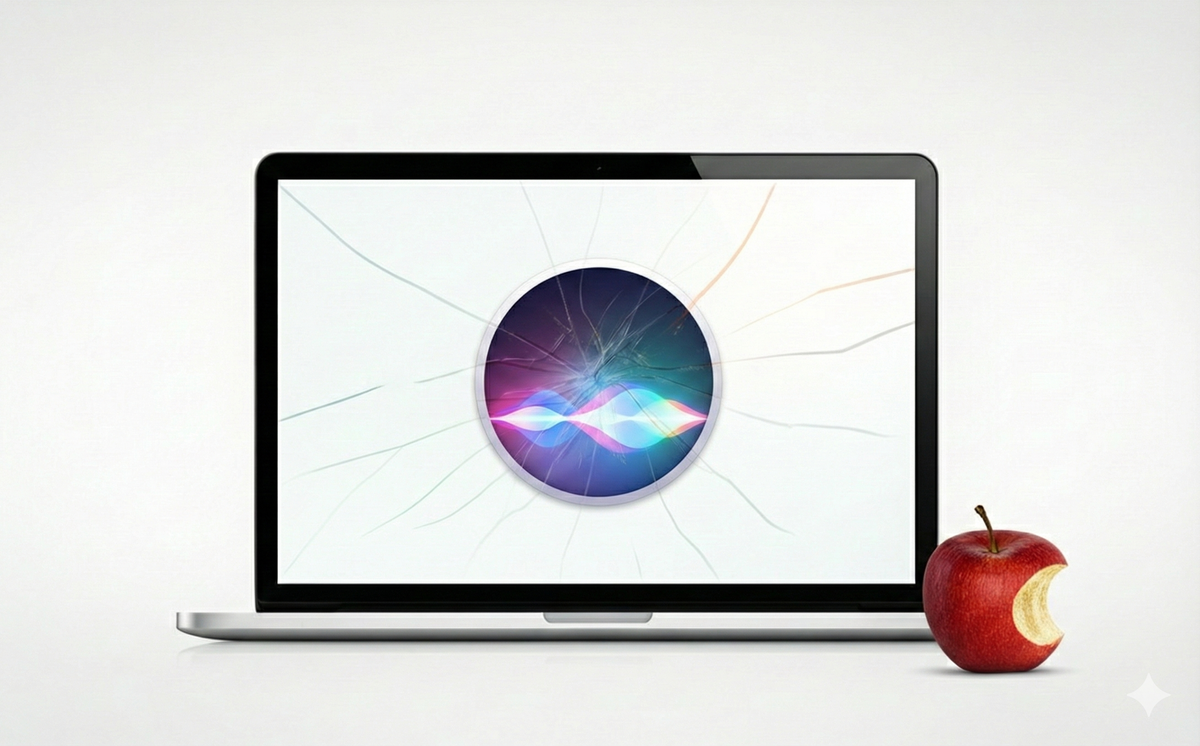
Apple just fired its AI chief. The FDA just gave agentic AI to every employee. A French startup just raised $70 million to make AI voices respond instantly. Three headlines, one message: the organizations moving fastest on AI are rewriting the rules while everyone else watches.
Images created with Nano Banana Pro 🍌(and other image tools)
📰 The Rundown
🍎 Apple Fires AI Chief After Siri Disaster
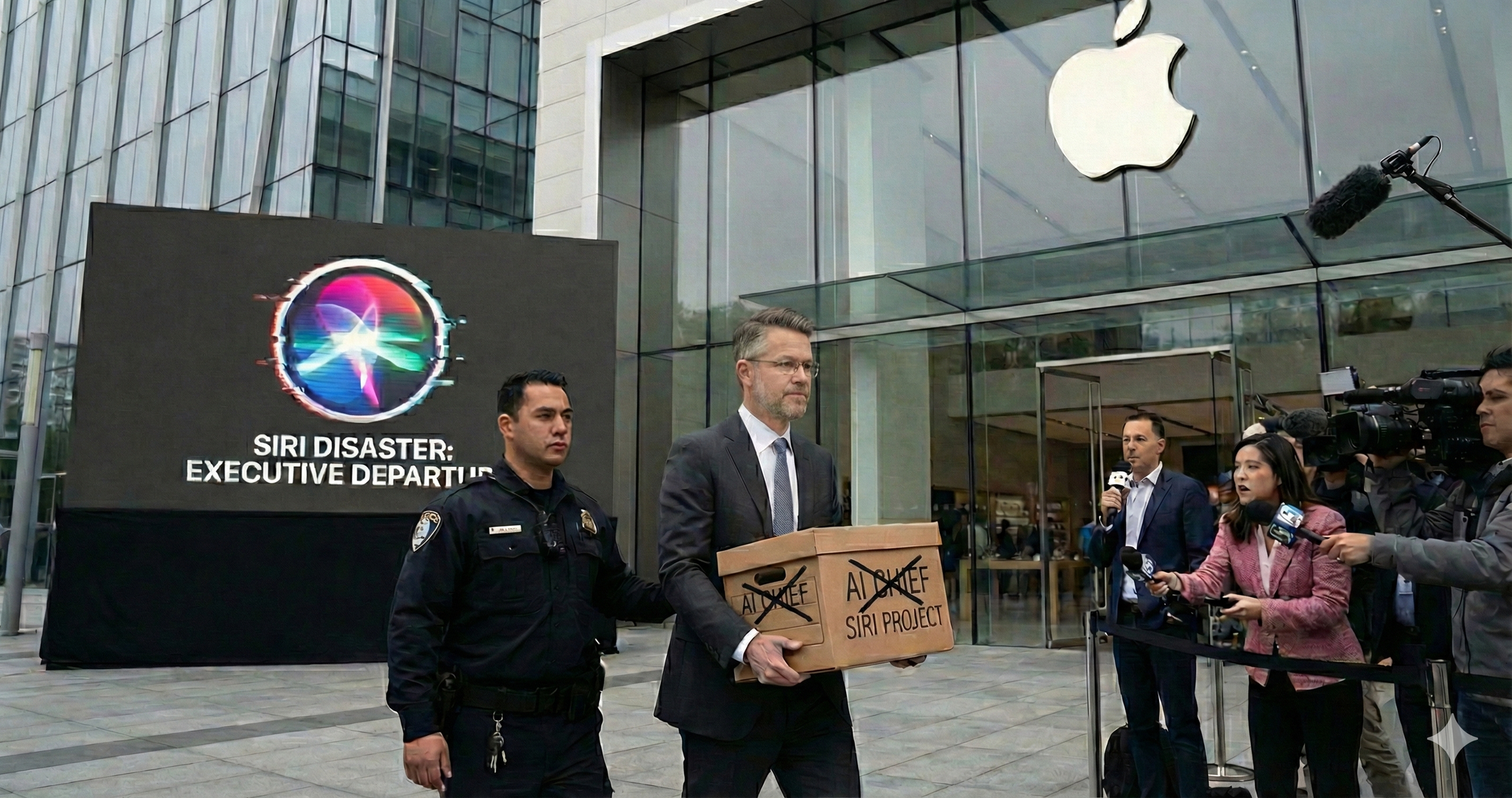
➡️ The move: Apple's AI chief John Giannandrea is out, stepping down immediately and retiring in spring 2026. His replacement: Amar Subramanya, who spent 16 years at Google (leading Gemini Assistant engineering) and recently served as Microsoft's corporate VP of AI. The shakeup follows a year of embarrassing AI stumbles. Apple Intelligence generated false headlines. Siri's promised overhaul was delayed until 2026 after features failed to work weeks before launch. Bloomberg reported employees mockingly called Giannandrea's group "AI/MLess."
⚡ Why it matters: Apple is reportedly turning to Google's Gemini to power the next Siri. That's a remarkable admission from a company that spent 15 years competing with Google across mobile, browsers, and maps. When the world's most valuable company can't build competitive AI internally, it signals just how much the landscape has shifted.
🎯 Your takeaway: Even trillion dollar budgets and elite talent couldn't guarantee AI success. Your advantage isn't resources. It's speed, adaptability, and willingness to learn.
🎙️ $70M Bet: This Startup Says Your AI Assistant Should Talk Back Instantly

➡️ The move: Paris startup Gradium emerged from stealth with a $70 million seed round backed by Eric Schmidt, Xavier Niel, and DST Global. The company, founded just three months ago by former Google DeepMind researcher Neil Zeghidour, is building "audio language models" designed for near instant voice responses. Current voice assistants frustrate users with lag between speaking and hearing a reply. Gradium claims to eliminate that delay.
⚡ Why it matters: Voice is becoming AI's primary interface. ChatGPT added voice. Perplexity built a voice browser. But the latency problem persists. A 70 million dollar seed round (one of Europe's largest ever) signals investors believe whoever solves instantaneous voice wins the next wave of AI interaction.
🎯 Your takeaway: Voice AI is moving from novelty to necessity. If you haven't experimented with talking to your AI tools, now's the time. The interface you type into today might be the interface you talk to tomorrow.
🏛️ FDA Gives Agentic AI to Every Employee

➡️ The move: The FDA deployed agentic AI capabilities to all 18,000+ agency employees. Unlike basic chatbots, agentic AI can plan, reason, and execute multi step tasks autonomously. FDA staff can now use AI agents for meeting management, pre market reviews, post market surveillance, inspections, and compliance work. The agency is launching a two month "Agentic AI Challenge" where employees build their own AI solutions.
⚡ Why it matters: When a federal regulatory agency moves faster than most private companies on AI adoption, the benchmark shifts. The FDA's earlier AI tool, Elsa, is used by 70% of staff. Government agencies known for bureaucracy are now outpacing enterprises still stuck in "AI pilot" mode.
🎯 Your takeaway: If the FDA can deploy agentic AI agency wide, your organization's "we're not ready" excuses just got a lot weaker.
🔧 Tool Spotlight: Yoodli AI Roleplay
Yoodli just raised $40 million and reported 900% revenue growth. The platform lets you practice high stakes conversations with AI personas before they happen in real life.
What makes it different: Yoodli creates customizable AI characters you can roleplay against. Practicing a salary negotiation? Set up a skeptical HR director. Prepping for a board presentation? Simulate a panel of executives with different priorities. The AI responds in real time, throws objections at you, and provides instant feedback on your delivery.
Best for: Sales calls, job interviews, difficult manager conversations, presentations, and any situation where stakes are high and practice time is limited.
How to use it:
- Go to yoodli.ai and create a free account
- Choose a scenario (interview, sales pitch, presentation) or build a custom roleplay
- Define your AI persona's personality and objectives
- Practice the conversation via voice or video
- Review feedback on pacing, filler words, and content
Pricing: Free tier available. Premium plans start at $20/month for individuals. Enterprise pricing for teams at Google, Snowflake, and SAP.
👉 Try it: yoodli.ai
✨ Try This Today: The Pre Meeting Roleplay
Most people prepare for important meetings by reviewing notes. That's passive preparation. Active preparation means practicing the conversation itself.
The technique: Before your next high stakes meeting, spend 10 minutes roleplaying it with an AI. Use ChatGPT, Claude, or Yoodli to simulate the other person in your conversation.
How to do it:
- Tell the AI who you're meeting with and what you want to accomplish
- Ask it to roleplay as that person, including likely objections
- Practice your key points out loud (voice mode makes this easier)
- When the AI pushes back, work through your response
- Ask the AI for feedback on what landed and what didn't
Example prompt: "Act as a skeptical CFO. I'm going to pitch you on a $50,000 software investment. Push back on ROI, ask tough questions, and don't make it easy. After I'm done, tell me what worked and what I should change."
Why it works: You've had the hard conversation in a safe environment. When the real meeting arrives, you've already handled the objections. Your answers come faster. Your confidence is real.
Time required: 10 minutes. Do it in the car, at your desk, or walking to the meeting room.
✨ The Wire
🔗 Kalshi raised a $1 billion Series E to expand its regulated prediction market, which now trades over $1 billion in weekly volume. TechStartups
🔗 Andrew Yang warned AI could eliminate up to 40 million U.S. jobs over the next decade and renewed his call for universal basic income funded by AI companies. Hipther
🔗 Nvidia invested $2 billion in Synopsys to co develop AI driven chip design tools, inserting its technology into the software chipmakers use years before production. TechStartups
🔗 Corporate AI spending hit $1.5 trillion this year (5% of U.S. GDP), with 83% of multinationals planning to spend even more in 2026. Global Finance
Neural Notes — AI that amplifies your value, not replaces it.